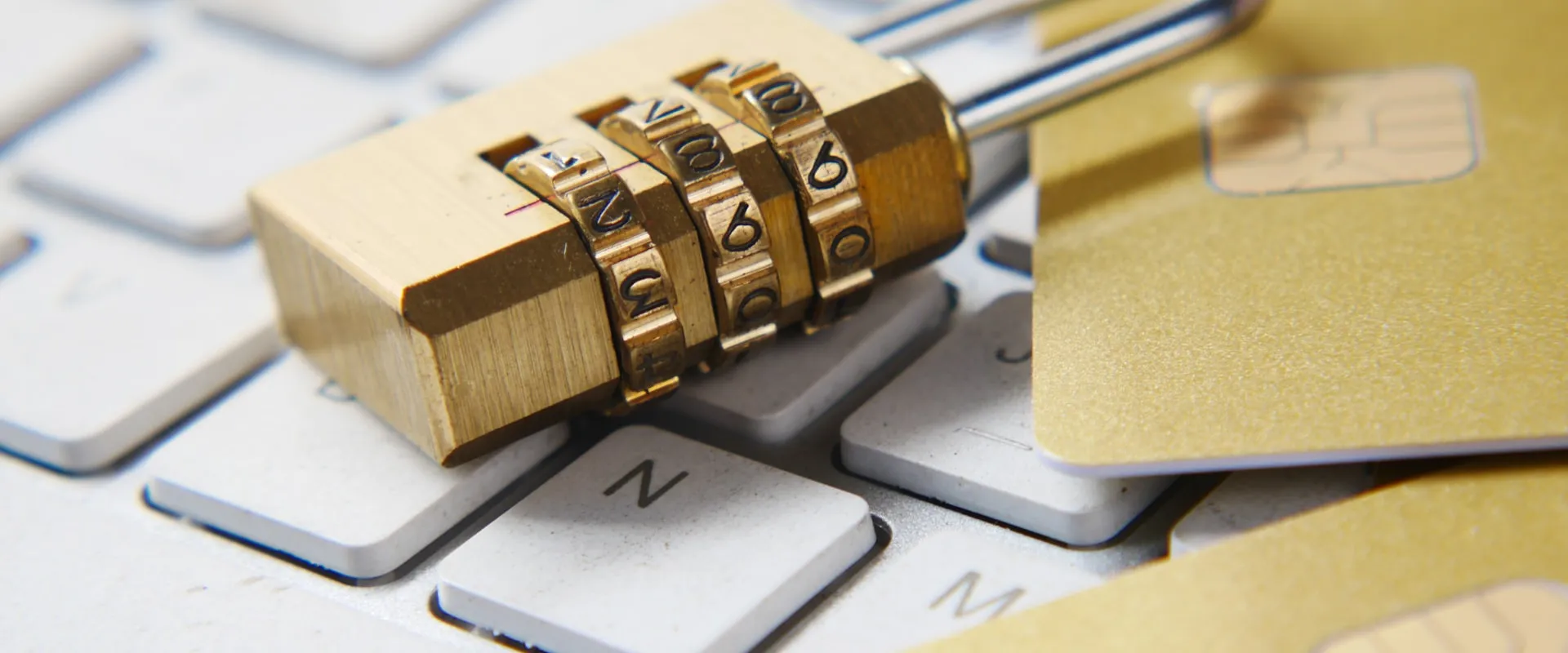
Website Security Essentials for Business Owners
Your Website Is Being Attacked Right Now — Here's What You Do About It
By Cody Huelster · Published February 18, 2025 · 7 min read
Start Your Project Today
No pressure, no commitment — just expert advice.
Let me ask you something.
You lock your truck at night. You lock the front door of your shop. You put a passcode on your phone.
So why is your website sitting wide open, naked on the internet, with zero protection?
Here's the number that should keep you up at night: over 30,000 websites get hacked every single day. And it's not the big corporations they're going after first. It's you — the small business owner. Why? Because you're easy. Because most small business websites have the security of a wet paper bag.
And when they get in, the damage isn't just an inconvenience. It's your livelihood on the line.
The Real Threats (And They're Not What You Think)
Forget the Hollywood hacker in a hoodie, staring at a screen full of green code. That's not what's coming for you.
What's coming is automated bots. Thousands of them. Right now, scanning millions of websites simultaneously, looking for any crack in the wall. When they find yours, they exploit it automatically — no human involved.
Here's what happens when they get in:
- Your site gets used to blast thousands of spam emails (and your domain gets blacklisted)
- Malware gets injected that infects everyone who visits your site
- Visitors get redirected to scam pages — your customers, your reputation, gone
- Customer data gets stolen — and you get sued
- Your entire site gets held for ransom
- Google tanks your rankings the moment they detect the hack
That last one is brutal. You've spent months building up your Google rankings. One hack and you're back to page 10, and recovery takes months.
The Security Basics Every Website Needs (Non-Negotiable)
SSL Certificate (HTTPS)
If your website URL starts with "http://" instead of "https://", stop reading and fix that today. Your site is not secure. Google flags it as "Not Secure" in every Chrome browser — which means every visitor you've fought to get sees a warning label before they even read your headline. That kills trust, tanks conversions, and hurts your rankings. An SSL certificate is table stakes. It's not optional.
Regular Updates
WordPress powers 43% of every website on the internet. It's also the most hacked platform on the internet — not because it's bad software, but because most people never update it. Outdated plugins, outdated themes, outdated WordPress core. Each one is a known vulnerability just sitting there waiting to be exploited. Keeping everything updated is the single highest-impact security action you can take.
Strong Passwords and User Management
Every account on your website needs a unique, strong password. No "admin123." No your dog's name. Use a password manager. Enable two-factor authentication wherever the option exists. And for the love of everything, remove user accounts that no longer belong to active employees.
Regular Backups
Even if you do everything right, things go wrong. A daily automated backup stored offsite means that if the worst happens, you're back online in hours — not weeks. Without a backup, a bad hack can mean starting from scratch. Think about that.
Security Monitoring
This is your security camera. Software that scans your site continuously for malware, watches for suspicious file changes, and blocks bad actors before they can do damage. You'd put a camera up in your physical business. Do the same for your digital one.
Advanced Protection for Businesses Handling Sensitive Data
If you're collecting customer information, processing payments, or handling any data that carries legal exposure — you need more than the basics.
The full stack includes: web application firewalls (WAF) that filter malicious traffic before it reaches your site, DDoS protection against coordinated attack floods, Content Security Policy headers that prevent cross-site scripting attacks, CAPTCHA and honeypot fields on every form, and regular security audits that find vulnerabilities before the bots do.
This isn't paranoia. It's protection proportional to your risk.
What To Do If Your Site Gets Hacked
First: don't panic, and don't try to fix it yourself. Call your web developer or hosting provider immediately. Attempting a DIY cleanup when you don't know what you're doing can destroy forensic evidence needed to find the vulnerability — meaning the same attack will happen again.
The professional recovery process: take the site offline to stop the bleeding, run deep malware scans and remove everything malicious, identify and patch the vulnerability that was exploited, restore from a clean backup if needed, and monitor closely after restoration to make sure they're gone.
The Cost of "I'll Deal With It Later"
Here's the math nobody talks about.
Lost revenue while your site is down. Lost customers who hit a malware warning and bounce forever. Months of SEO recovery while competitors eat your rankings. Potential legal liability if customer data was stolen. And the reputation damage in a market as relationship-driven as Odessa, Texas — that one has no price tag.
Prevention is always cheaper than recovery. Always.
At Ease Web Development, security isn't a bolt-on. It's baked in from day one — SSL, security hardening, backup systems, the whole stack. Our maintenance plans include ongoing security monitoring, all updates handled for you, and rapid response when anything looks off. Because your business deserves a website that's actually protected.
Call us at (432) 235-0561 and let's make sure your digital front door is locked.

Founder & Lead Strategist, Ease Web Development
Cody builds websites, measurement systems, and practical automation for businesses across the Permian Basin. His work focuses on technical SEO, clear user journeys, lead attribution, and maintainable software.
Need Help With Your Digital Strategy?
Tell us what you are trying to improve and we will recommend a practical next step.