Local SEO Guide for the Permian Basin: How to Rank in Odessa, Midland, and Beyond
Your Competitors Are Stealing Your Local Customers on Google Every Day — Here's How to Take Them Back
February 12, 2026 · 12 min read
If someone in Odessa or Midland searches Google for the service you provide and your business isn't in the top results — that customer just called your competitor. Not because your service is worse. Not because your price is higher. Simply because you weren't visible when they were ready to buy. Local SEO fixes that. The process centers on Google Business Profile optimization, local citation building, review management, on-page SEO with local keywords, and geo-targeted content creation. This step-by-step guide covers every tactic Permian Basin businesses need to dominate local search results — and stop watching customers walk out the digital door.
What Is Local SEO and Why Is It the Most Important Marketing Channel in the Permian Basin?
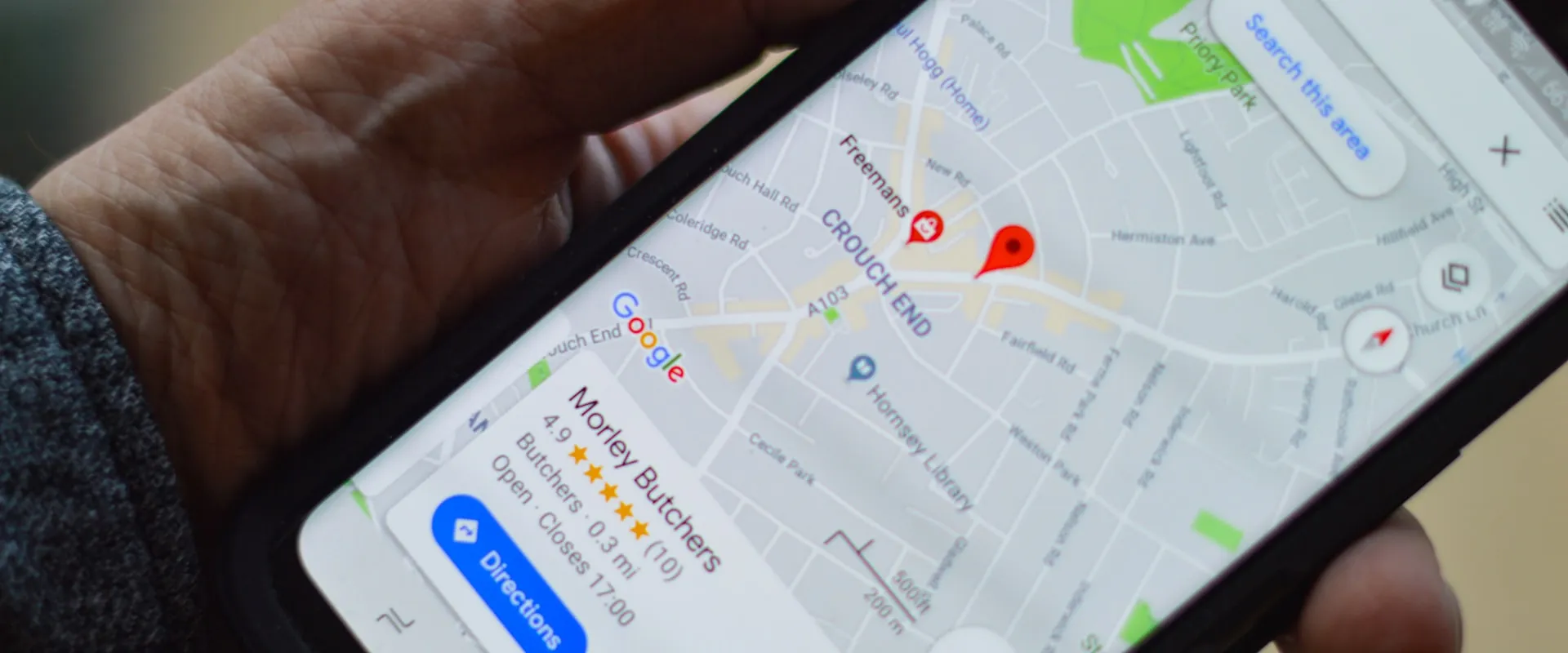
Local SEO is the practice of optimizing your online presence to capture customers performing geographically relevant searches. When someone in Odessa types "plumber near me" or a Midland resident searches "best Mexican restaurant Midland TX," Google's local algorithm decides who appears in the Map Pack and organic results. That decision is worth real money.
The numbers tell the story. According to Google (2024), 46% of all Google searches carry local intent. BrightLocal (2024) found that 98% of consumers used the internet to find information about local businesses in the past year. Those aren't abstract statistics — they're the people who need exactly what you offer, sitting in Odessa or Midland or Andrews, right now, making buying decisions based on what Google shows them.
The Odessa-Midland metro creates a unique dynamic. The twin cities function as one economic engine, but Google treats them as distinct geographic markets. A business in Odessa naturally ranks for Odessa searches but must actively optimize to reach Midland buyers 20 minutes away. Monahans, Pecos, Andrews, and Big Spring represent additional geographic opportunities that most competitors have abandoned.
Here's the return profile that should get your attention: Google reports 76% of people who search for something nearby on their phone visit a related business within a day. And 28% of those searches result in a purchase the same day. For service businesses, restaurants, healthcare providers, and retailers in the Permian Basin, local SEO is the highest-intent, most cost-effective customer acquisition channel available. Paid ads stop the moment you stop paying. Local SEO compounds.
Step 1: How Do You Optimize a Google Business Profile for the Permian Basin?
Before anything else — before your website, before content, before backlinks — your Google Business Profile is where the battle is won or lost. This is what shows up in the Map Pack. The Map Pack is the three-listing local block that appears above organic results for location-based searches. According to BrightLocal (2024), Map Pack listings receive approximately 44% of all clicks on local search result pages. Forty-four percent. That's nearly half the traffic going to three businesses.
Claim and verify your profile. Go to business.google.com right now. If your business isn't claimed, someone else might claim it — or worse, it's sitting there with incorrect information that's costing you customers. Google verifies ownership through a postcard, phone, or email. Don't skip this.
Complete every available field. Google rewards completeness with higher rankings. Business name (exactly matching your legal name), full address, phone number, website URL, hours, holiday hours, business description. Incomplete profiles rank lower than complete ones. This is free. Do it.
Select the right categories. Choose a primary category that exactly describes your core business. Add up to nine additional categories for secondary services. A web design agency selects "Web Designer" as primary with "Internet Marketing Service," "Graphic Designer," and "SEO Agency" as additional categories. Wrong categories = wrong audience.
Write a description that works for you. You get 750 characters. Use them. Describe your services, your service area, and your value proposition with your keywords placed naturally: "Ease Web Development provides web design, SEO, and digital marketing services to businesses in Odessa, Midland, and the Permian Basin." No promotional language, no URLs, no HTML.
Upload photos that close deals. Businesses with photos receive 42% more requests for driving directions and 35% more click-throughs to their website according to Google. Exterior photos, interior photos, team photos, project photos, logo. Add new photos monthly — it signals active management and Google rewards it.
Activate every communication feature. Turn on messaging, booking, and products/services. Add your offerings with descriptions and pricing. Post weekly updates about promotions, events, or content. Active profiles dominate over dormant profiles. Every time.
Step 2: How Do You Build Local Citations for Odessa and Midland Businesses?
Local citations are online mentions of your Name, Address, and Phone number (NAP) on websites, directories, and platforms beyond your own site. Citations tell Google your business is legitimate, established, and located exactly where you say it is.
Start with the major platforms. Every Permian Basin business needs accurate listings on Google Business Profile, Bing Places, Apple Maps, Yelp, Facebook, Yellow Pages, Better Business Bureau, and the Odessa Chamber of Commerce directory. Midland businesses add the Midland Chamber of Commerce directory. These aren't optional — they're the citation foundation.
Add industry-specific directories. Oil and gas companies need listings in Rigzone, OilAndGasDirectory.com, and Permian Basin Petroleum Association resources. Healthcare providers need Healthgrades, Vitals, and WebMD. Restaurants need TripAdvisor, OpenTable, and Zomato. Go where your customers already search for businesses like yours.
Enforce NAP consistency like your ranking depends on it — because it does. Every citation must display the exact same business name, address, and phone number. "415 N Grant Ave" on one listing and "415 North Grant Avenue" on another confuses Google's algorithm and weakens your local signals. One format. Everywhere. Non-negotiable.
Use data aggregators to scale efficiently. Services like Data Axle (formerly InfoUSA), Neustar Localeze, and Foursquare distribute your business data to hundreds of smaller directories automatically. Submit once, get distributed widely. Far more efficient than manually claiming each listing.
Audit and clean up your existing citations. Businesses that have changed addresses, phone numbers, or names over the years often have a trail of conflicting citations across the web. A citation audit identifies the inconsistencies, and cleanup removes them. Tools like Moz Local and BrightLocal make this manageable.
Step 3: How Do You Manage Reviews to Win Local Rankings?
Online reviews are not a nicety — they are a direct ranking factor in Google's local algorithm. Review quantity, review velocity (how often new reviews come in), average star rating, and how consistently you respond to reviews all feed directly into where you appear.
Build a review generation system, not a review hope. Asking every satisfied customer for a Google review should be a standard business process — as automatic as sending a receipt. A follow-up text or email with a direct link to your Google review form after completing a service closes the loop. BrightLocal (2024): 70% of consumers will leave a review when asked. Most businesses never ask. That's your edge.
Respond to every single review. Positive reviews get a genuine thank-you. Negative reviews get a professional, accountable response that demonstrates you care. Google has confirmed that responding to reviews improves local search visibility. Not responding signals to Google — and to every visitor reading your profile — that your business is managed by someone who doesn't pay attention.
Never manufacture fake reviews or buy them. Google's algorithm detects manipulation with increasing sophistication, and violations result in review removal, profile suspension, or ranking penalties that can take months to recover from. Build reviews honestly through excellent service and consistent asking.
Diversify your review platforms. Google reviews carry the most SEO weight, but Yelp, Facebook, and industry-specific platforms build overall trust and reputation. A business with 50 Google reviews, 20 Yelp reviews, and 15 Facebook reviews presents a stronger trust signal than one with 85 Google reviews and nothing else.
Set volume milestones and work toward them. Permian Basin businesses should target 20 reviews for baseline credibility, 50 reviews to compete seriously in the Map Pack, and 100+ reviews to dominate local visibility. But remember: review velocity matters as much as total count. Five new reviews per month beats 100 stale reviews sitting untouched from two years ago.
Step 4: How Do You Optimize Website Pages for Local Search Keywords?
On-page SEO with local keywords is what connects your website to the geographic searches your customers actually type. Every service page, location page, and blog post should be built around specific local keyword variations — or it's leaving traffic on the table.
Start with keyword research that reflects how people actually search. Identify the terms Permian Basin customers use to find businesses like yours. "[service] + [city]" combinations are the starting point: "plumber Odessa TX," "web design Midland TX," "auto repair Big Spring." Google's autocomplete suggestions and "People also ask" sections are free keyword research tools showing exactly what the market is asking.
Create city-specific landing pages — and make them actually different. Businesses serving multiple Permian Basin cities need dedicated landing pages for each: Odessa, Midland, Monahans, and beyond. Each page must contain genuinely unique content about that city — not a template with the city name swapped in. Google penalizes thin, near-duplicate location pages. Real content about real local context is what ranks.
Optimize every title tag and meta description. Your page title should include the primary keyword and city: "Emergency Plumber Odessa TX | 24/7 Service | Your Company Name." Meta descriptions get 155 characters to include the city name, a value proposition, and a call to action. These elements are what users see before they click. Make them compelling.
Weave local keywords naturally through your content. City names, county names, neighborhood references, and regional identifiers like "Permian Basin," "West Texas," and "Ector County" should appear throughout page content at a natural 1-2% density. Overuse triggers keyword stuffing penalties. Underuse fails to establish geographic relevance. Write for humans; optimize for search.
Add structured data markup. LocalBusiness schema tells Google your business name, address, phone number, hours, service area, and geo-coordinates in a machine-readable format that boosts your chances of rich results and ensures Google accurately understands your location and services. This is a technical advantage most small businesses skip — which is exactly why it works.
Step 5: How Do You Create Geo-Targeted Content for the Permian Basin?
Content creation is the long game — and it's the game that compounds. Blog posts, guides, and resource pages build local SEO authority by targeting informational searches that Permian Basin residents perform. Content attracts traffic, earns backlinks, and positions your business as the local authority in your industry.
Write about local topics your competitors ignore. Content about Permian Basin business trends, Odessa community developments, Midland economic news, and West Texas industry insights signals local relevance to Google in ways that generic content never can. A web design agency publishing "How Odessa Small Businesses Can Prepare for the 2026 Oil Price Outlook" is generating locally relevant authority. Your competitors are probably writing about nothing.
Create neighborhood and area guides that rank for local searches. Detailed content about business districts, commercial corridors, and communities in your service area builds geographic authority over time. An article about "The Best Business Locations Along Highway 191 in Odessa" or "Why Loop 250 in Midland Is a Growing Commercial Corridor" attracts local search traffic and earns links from other local websites.
Publish case studies featuring local clients by name and city. Case studies naming the client's city and describing locally relevant results demonstrate your experience serving the Permian Basin market in a way that abstract service descriptions never can. "How We Helped an Odessa Oilfield Service Company Increase Leads by 150%" builds both SEO authority and sales credibility simultaneously.
Target "near me" and question-based searches. Google processes billions of "near me" searches annually, Search Engine Journal (2024) confirms. Content optimized for "Who is the best web designer near Odessa?" or "Where can I find SEO services in Midland?" captures high-intent queries at the exact moment buyers are ready to decide.
Publish consistently — consistency wins over brilliance published occasionally. Two to four local content pieces per month signals to Google that your website is actively maintained and worth frequent crawling. Consistency beats volume every time. One high-quality local article per week outperforms irregular publishing bursts that look like someone remembered they have a blog.
Step 6: How Do You Build Local Backlinks in the Permian Basin?
Backlinks from other websites to yours are votes of authority in Google's eyes. Local backlinks from Permian Basin organizations, publications, and partners carry specific weight for local rankings that generic backlinks can't replicate.
Join local business organizations. The Odessa Chamber of Commerce, Midland Chamber of Commerce, MOTRAN, the Permian Basin Regional Planning Commission, and industry associations all provide member directory listings with backlinks to member websites. Membership fees often deliver more SEO value than the programs themselves.
Sponsor local events and causes. Event websites, charity pages, and community organization sites link to their sponsors. Sponsoring a Permian Basin Petroleum Association event, a Howard College fundraiser, or an Ector County youth sports league generates locally relevant backlinks that money can't replicate through other channels.
Contribute to local publications. The Odessa American, Midland Reporter-Telegram, and Permian Basin business publications run contributed content and expert quotes. Being cited as a local expert generates a high-authority local backlink that strengthens your rankings while simultaneously building market credibility.
Build referral partnerships with complementary businesses. A web design agency partnering with a local print shop, commercial photographer, or business consultant creates mutual referral traffic and website cross-linking. These partnerships build link equity while generating actual business revenue — the double return most backlink strategies miss.
Create linkable local resources. A "Permian Basin Business Resource Guide" or "Complete List of Odessa Business Directories" attracts passive backlinks from other local websites indefinitely. Linkable assets compound in value — you create them once and they generate authority for years.
How Do You Track Local SEO Performance?
Investment without measurement is just spending. Four tools give you the data needed to know whether your local SEO investment is producing actual business results.
Google Business Profile Insights shows you how many people viewed your profile, requested directions, called your business, and visited your website from the listing. Monthly trend analysis reveals whether your optimization work is moving the needle — or whether something needs adjustment.
Google Search Console tracks which keywords your website appears for, average ranking position, impressions, and clicks. Monitoring local keyword positions over time is how you confirm that on-page and off-page work is producing actual ranking improvements — not just activity.
Google Analytics measures website traffic from organic search, user behavior on your site, conversion rates, and lead generation. Tracking organic traffic from Permian Basin geographic regions confirms you're attracting the right audience — local buyers with purchase intent, not random national traffic that never converts.
Rank tracking tools like SEMrush, Ahrefs, or BrightLocal monitor Map Pack and organic ranking positions for target keywords across Odessa, Midland, and other Permian Basin cities. Weekly or monthly position tracking reveals trends that guide where your next effort should go.
Frequently Asked Questions
### How long does local SEO take to show results in the Permian Basin?
Local SEO typically produces measurable improvements within two to four months for Google Business Profile visibility and three to six months for organic website rankings. Less competitive markets like Monahans, Pecos, and Andrews often see faster results than Odessa and Midland. Consistent investment over six to twelve months produces the strongest long-term compounding results — and unlike paid ads, those results don't disappear when the budget does.
### Can a business rank in both Odessa and Midland simultaneously?
Yes, through a deliberate multi-location strategy. Separate city-specific landing pages, citations in both cities' directories, and reviews from customers in both markets all contribute to dual-city visibility. A physical address in Odessa does not prevent ranking in Midland — it just requires actively targeting that second market rather than assuming it comes automatically.
### How many Google reviews does a Permian Basin business need?
A minimum of 20 Google reviews establishes baseline credibility. Businesses targeting Map Pack dominance in Odessa or Midland should aim for 50 to 100 reviews. Review velocity matters as much as total count — three to five new reviews per month keeps your freshness signals strong in Google's algorithm. A business with 100 stale reviews and no new ones in six months is losing ground to competitors getting two new reviews a week.
### Is local SEO worth it for a business that only serves one small town?
Local SEO is especially effective in smaller Permian Basin markets like Monahans, Andrews, Pecos, and Big Spring precisely because competition is lower. Fewer businesses competing for local keywords means faster ranking improvements and dominant visibility with a fraction of the investment required in Odessa or Midland. These markets often deliver the highest return on local SEO investment available anywhere in the Basin.
### How much does local SEO cost for a Permian Basin business?
Local SEO services at Ease Web Development start at $750 per month and include Google Business Profile optimization, citation building, review management support, on-page local SEO, and monthly reporting. Scope and pricing scale based on the number of target cities, competition level, and current website condition. Call (432) 235-0561 for a free local SEO consultation — and let's talk about what showing up on page one is actually worth to your business.